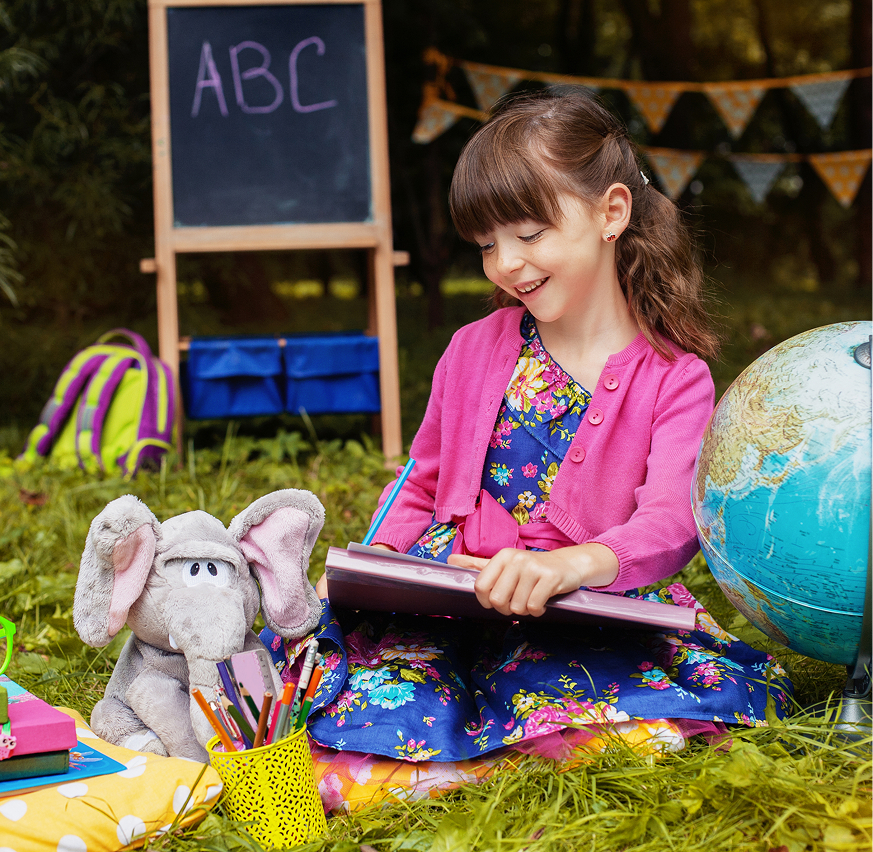
Play-based learning helps children develop cognitive, social, emotional, and physical skills through fun, hands-on experiences.
What Is Play-Based Learning?
Play-based learning is an educational approach where children learn through play, exploration, and hands-on activities. Rather than focusing only on structured lessons, this method encourages curiosity and creativity.
Why Play Is Essential in Early Childhood
When everything feels urgent and uncertain, leaders may delay decisions or rely on instinct alone. This can result in:
- Explore their environment naturally
- Express thoughts and emotions
- Build confidence and independence
- Learn problem-solving skills
Principles for leading through complexity
Supports Cognitive Development
Play improves thinking skills, memory, and creativity. Activities like puzzles, storytelling, and role-play help children understand new concepts.
Builds Social & Emotional Skills
Group play teaches children cooperation, empathy, and communication while helping them manage emotions.
Encourages Physical Development
Outdoor games and movement activities strengthen coordination, balance, and motor skills.
How Teachers Guide Play-Based Learning
Teachers create safe, engaging environments and gently guide activities to ensure learning goals are met while allowing children to explore at their own pace.
This is one reason many growing organizations turn to advisory or fractional leadership support during complex phases.
Conclusion
Play-based learning lays a strong foundation for lifelong learning by making education enjoyable, meaningful, and effective for young children.